What Makes a Good Protein Powder? A Practical Buyer’s Guide

Disclosure & independence
No brand pays for coverage on inareview, and no brand sees an article before it is published. Products are assessed against published criteria, not against what a company would like to read.
This article contains affiliate links. If you buy through one I may earn a commission, at no additional cost to you. A commission never changes a score, a ranking or a verdict: those are decided before any commercial link is considered.
Full details in my affiliate disclosure, editorial policy and testing methodology.
Protein powder is one of the few supplement categories where the label tells you almost everything you need to know — if you read the right lines. This guide sets out what separates a good protein powder from an expensive one: protein quality, usability, ingredient simplicity, and real-life fit, so you can narrow the shelf without treating every scoop as the same.
What makes a good protein powder?
The best protein powder is the one that helps you consistently meet your protein needs without causing stomach trouble, adding unwanted calories, or forcing you to tolerate a flavour you dislike. For muscle gain and recovery, look first at protein per serving and amino acid quality; for weight gain, calories and carbohydrates matter too; for lighter daily use, mixability, sugar, allergens, and third-party testing deserve just as much attention.
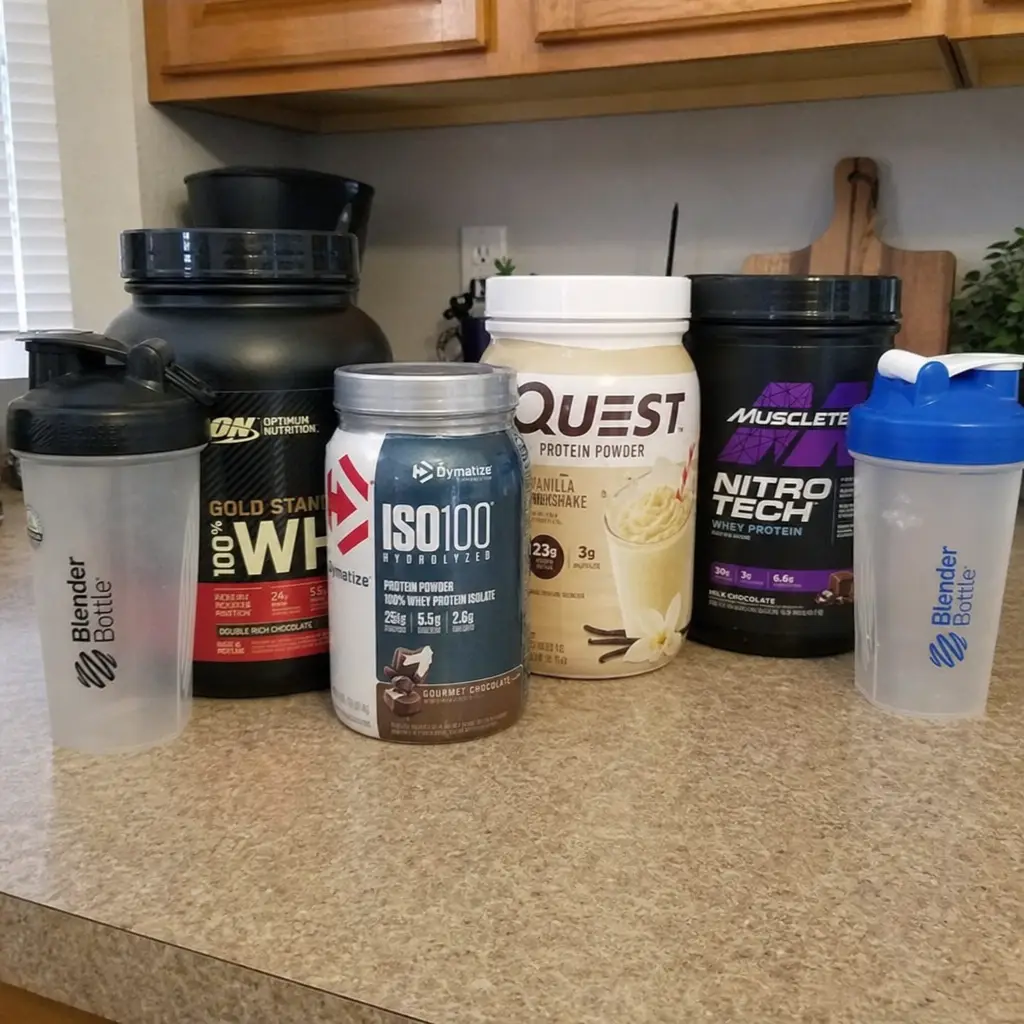
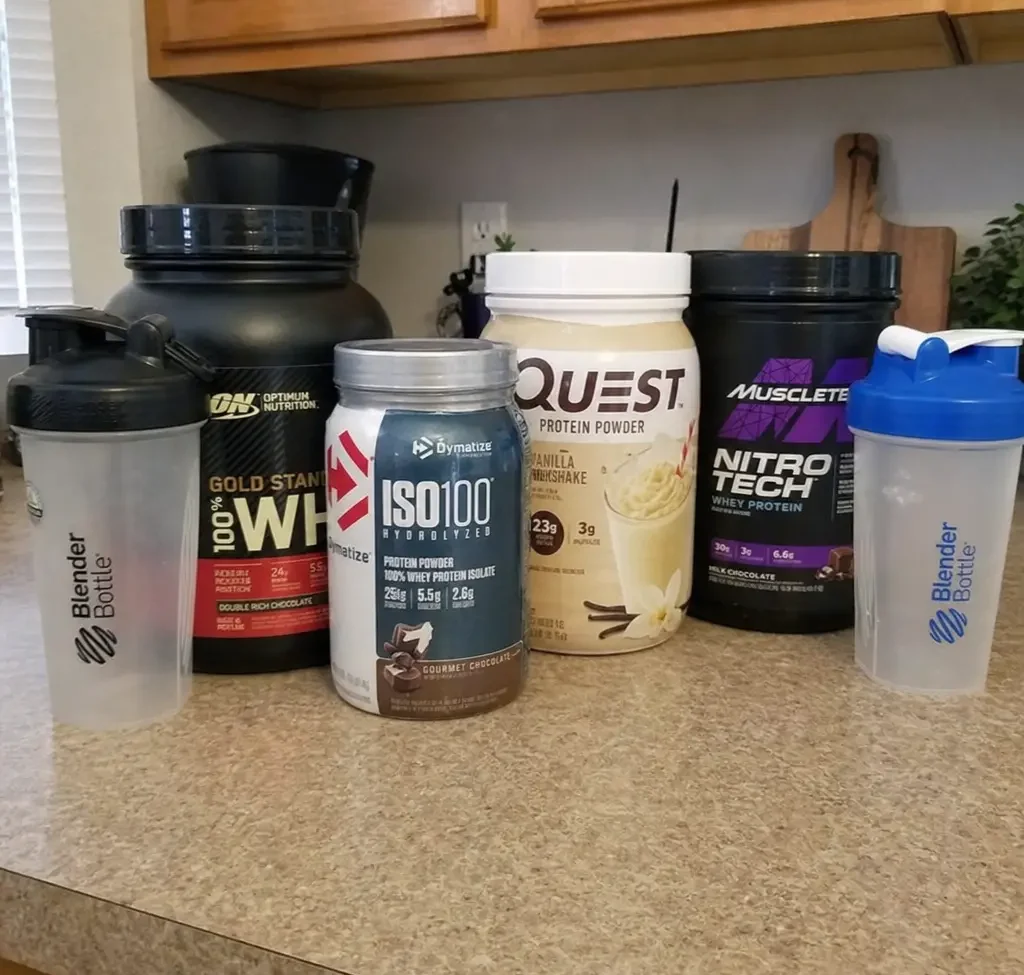
Any useful protein powder comparison starts with the basics: source, serving size, protein grams, calories, sweeteners, allergens, and testing transparency. Whey and casein are complete dairy proteins, while many plant powders combine sources such as pea, rice, chia, or mung bean to improve amino acid coverage. Clear whey isolates offer a lighter drink style, and mass gainers are closer to meal add-ons than standard shakes.
Three label examples worth knowing
The three products below are label comparisons, not hands-on tests — they are included to show how differently three powders in the same aisle are built. Treat them as a starting point, not a medical endorsement or a one-size-fits-all ranking.
- Bulking-oriented example: BSN True-Mass 1200. True-Mass 1200 is designed as a high-calorie mass gainer, with 50 grams of protein and a 4-to-1 carbohydrate-to-protein ratio per serving. That can help hard gainers, but it is excessive for someone who only needs a simple post-workout protein boost. (gobsn.com — BSN True-Mass on Amazon)
- Plant-based everyday example: Orgain Organic Plant-Based Protein. Orgain’s plant-based powder lists 21 grams of plant protein, 150 calories, less than 1 gram of sugar, and USDA Organic positioning, with a blend that includes pea, rice, chia, and mung bean sources. It is convenient for vegan or dairy-free users, but the fibre, gums, and sweeteners may affect digestion for some people. (orgain.com — Orgain on Amazon)
- Clear-whey example: SEEQ. A clear whey isolate behaves more like a flavoured water than a milkshake, which matters if thick shakes are the reason you skip protein altogether. The trade-off is a thinner texture and, usually, a higher price per gram of protein. (seeqsupply.com — SEEQ on Amazon)
As an Amazon Associate I earn from qualifying purchases. This never changes a score, a ranking or a verdict — those are decided before any commercial link is considered.
Protein powder benefits are strongest when they fill a real gap
Protein powder benefits are often oversold, but the practical upside is real: convenience, portion control, and easier recovery nutrition after training. A scoop can help when breakfast is rushed, appetite is low after exercise, or a higher-protein snack would otherwise become a pastry, candy bar, or skipped meal.
For active people, total daily protein is usually more important than chasing a narrow “anabolic window.” The International Society of Sports Nutrition notes that doses around 20 to 40 grams of high-quality protein, spaced across the day, can support muscle protein synthesis and training adaptation. (doi.org)
That means a powder should support the rest of your diet, not replace it. If you already eat enough protein from Greek yogurt, eggs, fish, poultry, tofu, legumes, and lean meats, you may not need a daily shake. If you routinely fall short, a powder can make the difference between an inconsistent plan and one you can actually follow. The same test applies to every tub on the shelf: my guide to choosing a supplement that is actually worth it sets out how to decide before you spend.
Which protein source should you choose?
Choose whey if you want a fast, complete, versatile protein; casein if you want something slower and more filling; plant-based blends if you avoid dairy; clear whey if texture is your main barrier; and mass gainers only if you truly need extra calories. The source matters because it affects amino acid profile, digestion, texture, allergens, and how well the powder fits your routine.
Whey protein
Whey is popular because it is complete, widely available, and usually easy to mix. If you want a specific example of what a high-end isolate label looks like, my Diesel protein powder review works through one in detail. Concentrate typically runs about 75% protein by weight against roughly 90% for isolate, which is the whole of the price difference — my Lean Fit protein powder review works through that arithmetic on a real label. Whey concentrate may be creamier and less processed, while whey isolate is typically more filtered and often lower in lactose, fat, and carbohydrates. If regular shakes make you feel heavy, a clear isolate may be easier to drink because it behaves more like a flavoured water than a milkshake.
Casein protein
Casein digests more slowly than whey, which is why many people use it before bed or as a filling snack. Its appeal is usually ingredient simplicity, especially for buyers who dislike long labels. The downside is that “clean” does not always mean enjoyable: plain casein can taste bland, foam up, or clump if you do not use enough liquid and shaking time.
Plant-based protein
Plant powders are ideal for vegan, dairy-free, or lactose-sensitive routines. A blend is usually preferable to a single plant source because different plants contribute different amino acid strengths. Orgain’s combination of pea, rice, chia, and mung bean is a good example of how brands try to make plant protein more complete and palatable, while also adding texture ingredients that some users may or may not tolerate.
Mass gainers
Mass gainers are not simply “stronger protein powders.” They are calorie-dense formulas meant for people who struggle to eat enough food to gain weight. BSN True-Mass 1200 can fit a bulking plan, but for fat loss, general wellness, or light recovery, a 100-to-160-calorie protein serving is usually more practical than a very high-calorie shake.
How should you read protein shake reviews?
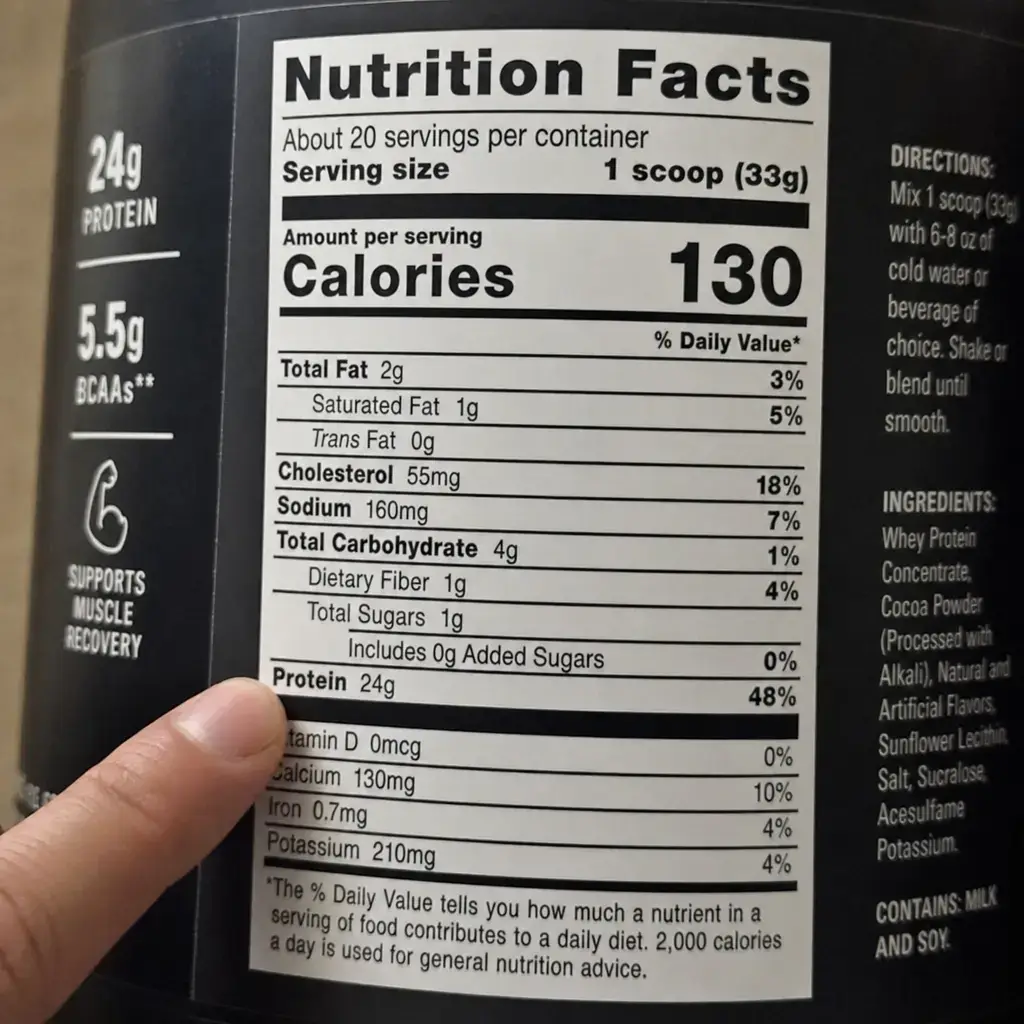
Read protein shake reviews by separating personal preference from measurable label facts. Taste, sweetness, and texture are subjective, but protein per serving, calorie load, allergens, ingredient length, testing claims, and sweetener choices can be checked before you buy.
A good protein powder review should tell you more than whether the chocolate tastes like a milkshake. It should explain who the product is for, who should skip it, and whether the formula makes sense for daily use. When scanning protein powder reviews, watch for reviewers who disclose serving size, mixing method, stomach comfort, aftertaste, and whether they tested it with water as well as milk.
A practical review checklist
Before trusting a rating or buying a full tub, check:
- Protein density: How many grams of protein do you get for the calories?
- Serving size: Is one serving one scoop, two scoops, or a very large shake?
- Sweeteners: Does it use sucralose, stevia, sugar alcohols, cane sugar, or no sweetener?
- Digestibility: Are there gums, fibres, enzymes, lactose, or sugar alcohols that might affect your stomach?
- Allergens: Does it contain milk, soy, nuts, gluten, or shared-facility warnings?
- Testing transparency: Does the brand show third-party certification or only vague “quality tested” language?
- Use case: Is it a recovery shake, meal support, dessert substitute, or mass gainer?
What safety issues matter most with protein powders?
The biggest safety issues are light regulatory oversight, heavy metal contamination risk, allergens, digestive tolerance, and unrealistic serving habits. In the United States, the United Kingdom and Canada alike, protein powders are sold as food supplements rather than medicines, which means they are not assessed for safety and effectiveness before they reach the shelf. Buyers need to be more selective than they would be with ordinary packaged foods. (ods.od.nih.gov)
Heavy metals such as lead, arsenic, cadmium, and mercury can appear in some protein products because ingredients come from agricultural or dairy supply chains. Plant-based powders may deserve extra scrutiny because plants can absorb contaminants from soil, but dairy-based powders are not automatically risk-free. My Good Protein review looks at how one Canadian plant-based brand handles that testing in practice. The practical move is not panic; it is moderation, variety, and choosing brands that make testing easy to verify.
Third-party certification helps, especially for athletes and daily users. NSF explains that its supplement certification includes toxicology review, facility audits, and periodic retesting, while NIH consumer guidance points shoppers toward independent programmes such as USP, NSF, and ConsumerLab for quality information. (nsf.org) The gap between a label claim and a verified one is not theoretical: my Qunol magnesium glycinate review looks at a product whose headline absorption claim turned out to be weaker than the packaging suggests.
Safer-use habits
- Do not use protein powder as your only major protein source.
- Rotate with whole foods such as yogurt, eggs, beans, tofu, fish, poultry, and lentils.
- Choose smaller, realistic servings instead of stacking multiple scoops by default.
- Look for current certificates of analysis or recognised third-party seals.
- Be cautious with children, pregnancy, kidney disease, liver disease, or medication use unless a clinician advises otherwise.
- Stop using a powder that repeatedly causes bloating, nausea, diarrhoea, rashes, or throat irritation.
Matching powders to real routines
For strength training, a whey or plant blend with about 20 to 30 grams of protein after training or with a meal is simple and effective. If you train at night and want something filling, casein can be useful. If thick shakes make you avoid protein altogether, clear whey may be the better habit-builder. If you are still building the training side of the equation, my home workout plan for weight loss covers what actually works without a gym.
For weight management, prioritise high protein with moderate calories and low added sugar. A shake can help reduce snack grazing, but it should not become a liquid dessert that leaves you hungry an hour later. Pairing powder with fruit, oats, yogurt, or nut butter can either improve satiety or add calories, depending on your goal — the same trade-off that runs through my five nutrition habits that actually last.
For weight gain, the calculation changes. A mass gainer works only if it helps you maintain a calorie surplus without replacing too much regular food. If a full serving feels too heavy, use half servings and add calories through meals you tolerate well.
The final takeaway
The best protein powder is not the one with the loudest label; it is the one that fits your body, your goals, and your standards for ingredient quality. Start with source type, check the label carefully, look for credible testing, and buy the smallest size first if you are unsure about taste or digestion.
Protein powder reviews can point you in the right direction, but your best result comes from matching the powder to the way you actually eat, train, and feel day after day.
This guide is for general information and is not medical advice. If you have a health condition, are pregnant or breastfeeding, or take prescription medication, speak to a qualified professional before adding a supplement.
If you want the arithmetic rather than the principles, my comparison of six protein powders by cost per gram of protein ranks the mainstream US options from 4.6 to 7.7 cents a gram and shows which certifications are real.
Sources
The nutrition figures, the regulatory position and the certification detail above all come from documents you can open yourself.
- International Society of Sports Nutrition Position Stand: Protein and Exercise (2017) — the 20 to 40 gram doses spaced across the day, and the point that total daily protein matters more than the anabolic window.
- NIH Office of Dietary Supplements — Dietary Supplements: What You Need to Know — why supplements are not assessed for safety and effectiveness before they reach the shelf, and where to look for independent quality programmes.
- NSF — Supplement and vitamin certification — what the certification actually includes: toxicology review, facility audits and periodic retesting.
- BSN — True-Mass 1200 product page — the 50 grams of protein and the 4-to-1 carbohydrate-to-protein ratio quoted in the bulking example.
- Orgain — Organic Plant-Based Protein Powder product page — the 21 grams of plant protein, 150 calories and under 1 gram of sugar, and the pea, rice, chia and mung bean blend.
- SEEQ — Clear protein powder — the clear whey isolate format used as the third worked example.

Roy Douele founded inareview and writes every review on the site. He is not a medical professional: he sources and buys the products himself, tests them over a meaningful period, and checks each claim against published research before assigning a score out of 10. Brands cannot pay for a review or influence a score.
View All Articles