Zinc for Sleep: Who It Helps, and Why That May Not Be You

Disclosure & independence
No brand pays for coverage on inareview, and no brand sees an article before it is published. Products are assessed against published criteria, not against what a company would like to read.
This article contains affiliate links. If you buy through one I may earn a commission, at no additional cost to you. A commission never changes a score, a ranking or a verdict: those are decided before any commercial link is considered.
Full details in my affiliate disclosure, editorial policy and testing methodology.
Zinc for sleep is an unusual case in this category. The evidence is not hyped, and the sources that rank for it are mostly honest: one calls the link “unclear”, another says there is “not enough evidence to routinely recommend” it. So there is no marketing to dismantle here.
What is missing is the next step. Nobody tells you what the evidence consists of — who was in the trials, what dose they took, and whether you resemble them. That turns out to matter more for zinc than for anything else on this site, because the answer for most readers is no.
The short version
Does zinc help you sleep? Probably, if you are short of zinc. Probably not otherwise. The eight randomised trials in the 2024 systematic review mostly used more than 30 mg a day, and the clearest benefits appeared in older adults and dialysis patients, two groups prone to low zinc. Meanwhile the average American man already eats 13 mg a day against a recommended 11, and the typical sleep formula contains 5 to 15 mg, well under the tested dose.
It costs between 2 and 33 cents a night, so price is not the obstacle. The obstacle is that you are probably not the person the research worked on.
How this article was done
I read the Google results for zinc for sleep in the United States on 18 September 2026, then went to the systematic review that ranks first and read what it actually found. Intake figures, the recommended amounts and the safety ceiling come from the US National Institutes of Health Office of Dietary Supplements. Amazon prices and doses were pulled the same day and converted to a cost per night at the dose the trials used.
I have not taken zinc for sleep and this article does not pretend otherwise. Where the evidence points somewhere useful I say so, and where it points away from buying anything I say that too.
What the evidence actually is
The paper Google ranks first is a systematic review published in Health Science Reports in October 2024 by Jazinaki and colleagues at Mashhad University of Medical Sciences. Unlike the glycine literature, this is not industry research — the authors are at Iranian universities, not a supplement manufacturer, which is worth saying plainly given how often that is not the case in this field.
It pooled eight randomised controlled trials. Three findings matter:
- Zinc supplementation generally improved sleep quality in adults, but results were mixed for sleep disorders and sleep duration.
- Most of the trials used more than 30 mg of zinc a day, over periods running from 4 to 48 weeks.
- The benefits appeared primarily in specific populations, notably older adults and dialysis patients. The effect in children was unclear.
The review’s own conclusion is that more comprehensive trials are needed. That is the honest position, and it is why the American Journal of Managed Care headline on it read “Zinc’s Link to Sleep Quality Remains Unclear.”
There is older supporting work. A 2017 review in Nutrients, cited 169 times, describes zinc as a sleep modulator and notes a trial where three months of daily zinc improved how quickly people fell asleep. And one of the results Google still surfaces is a 2011 summary from the American Academy of Family Physicians of a trial that gave melatonin, magnesium and zinc together. That design cannot tell you what the zinc did on its own, which is a limitation worth holding on to when you see that study cited as evidence for zinc.
The dose that worked is not the dose you can buy
The trials in the review mostly used over 30 mg a day. Google’s own summary of this search states that most sleep formulas contain 5 to 15 mg of elemental zinc.
So a sleep blend delivers somewhere between a sixth and a half of what the research used. If you are taking zinc for sleep as one ingredient inside a multi-ingredient night formula, you are almost certainly not taking a researched dose of it. Some blends do not publish doses at all: in my Yu Sleep review, nine of its ten ingredients have no stated amount.
This is the third time this pattern has come up in this category, and it is worth naming as a rule rather than a coincidence. The glycine trials used 3 g and the capsules hold 1,000 mg. The magnesium trial used 250 mg of elemental magnesium and the label shouts the weight of the compound instead. Now zinc. The dose on the shelf is set by what is cheap and safe to sell, not by what was tested.
Who it worked in, and whether that is you
The people zinc for sleep actually worked on were older adults and dialysis patients. Both are groups in which low zinc is genuinely common — kidney dialysis depletes it, and the NIH specifically notes that older adults may have marginal intakes.
That is the mechanism doing the work. Zinc is not a sedative and the review does not describe it as one. What it appears to do is restore something that was missing, and if nothing is missing there is nothing to restore.
So the question is not “does zinc help sleep”. It is “am I short of zinc”. And for most people reading this in the United States, the answer is no.
Most Americans already get enough zinc
This is where zinc parts company with magnesium, and it is the single most useful thing on this page.
The NIH Office of Dietary Supplements states it directly: “Most people in the United States consume adequate amounts of zinc, but people in certain age groups, especially older adults, might have marginal intakes.”
The intake numbers back that up. The recommended daily amount is 11 mg for adult men and 8 mg for adult women. Average daily intake from food is 13 mg for men over 19 and 9.2 mg for women. Both averages sit above the recommendation.
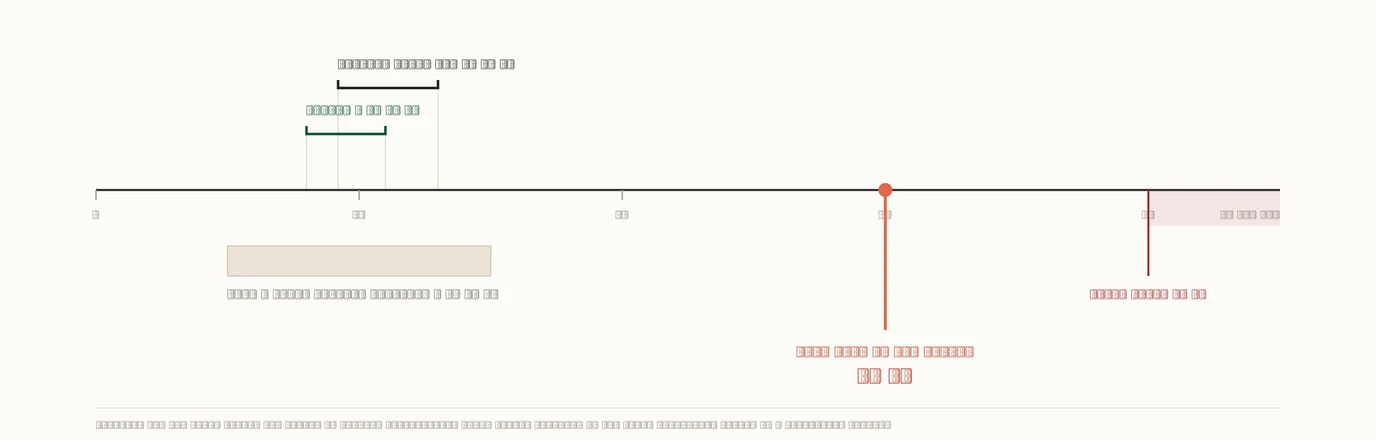
Compare that with magnesium, where the NIH notes the opposite: most people in the United States take in less than recommended. That is precisely why the 2025 magnesium trial’s best finding was that it worked better in people who were short to begin with, and why magnesium is a rational first move for a lot of people. That logic does not transfer to zinc, because the shortfall usually is not there.
Two honest caveats. The women’s margin is thin: 9.2 mg against a target of 8 leaves little room, and an average conceals everyone below it. And the NIH names groups more likely to fall short: people with gastrointestinal disorders, people who have had bariatric surgery, people following vegetarian or vegan diets, and women who are pregnant or lactating. Plant-based diets are the common one, because the phytates in grains and legumes bind zinc and reduce how much you absorb.
If you are in one of those groups, or you are over 65, zinc becomes a reasonable thing to look at. If you are a meat-eating adult with an ordinary diet, the trials that worked were not run on you.
Zinc or magnesium for sleep?
Google asks this in its People Also Ask box on this search, and it is the question that should decide whether you buy zinc for sleep at all. The answer follows directly from the section above.
Magnesium, for most people. Not because the mineral is more powerful, but because the deficiency it corrects is far more common. Magnesium also has a larger and more recent trial behind it for sleep specifically: 155 people, randomised, independent, with a modest but real effect.
Zinc if you have a reason to suspect you are low. Age over 65, a plant-based diet, a gut condition that impairs absorption, or bariatric surgery. In those cases the trial populations start to look like you.
Both together is a real option and a poorly tested one. They are sold together constantly, and the 2011 trial behind a lot of that marketing bundled them with melatonin so nothing can be separated out. There is no interaction problem at sensible doses. There is also no trial showing the pair beats either alone for sleep.
If you want the fuller comparison of the supplements in this category, I have written up magnesium glycinate, glycine, and why those last two cannot substitute for each other.
The copper problem nobody puts on the label
If you do decide to take zinc for sleep nightly, this is the section that matters. Zinc has a ceiling, and unlike most supplement ceilings this one has a specific mechanism.
The tolerable upper intake level for adults is 40 mg a day from all sources. Above that, the NIH is precise about what goes wrong: “If used for weeks, doses of 50 mg zinc or more — typically from supplements or excessive use of denture adhesive creams that contain zinc — can interfere with copper absorption (which can cause low copper status), reduce immune function, and lower HDL cholesterol levels.”
Read that against what people actually buy. The best-selling zinc supplement on Amazon’s results for this category is a 50 mg product, with over 217,000 ratings and roughly 40,000 sold in the past month. Taken occasionally for a cold, that is unremarkable. Taken every night for months as a sleep aid, it is the exact scenario the NIH describes, and the irony is sharp: a supplement bought partly for immune support, taken wrongly, reduces immune function.
If you are going to take zinc nightly, 30 mg is the tested dose and 40 mg is the ceiling. There is no version of this where more is better.
Does zinc keep you awake?
Some people report exactly that, and the honest answer is that no trial has measured it.
What is documented is that zinc on an empty stomach causes nausea in a fair number of people, and nausea at bedtime will keep anyone awake. That is the most likely explanation for the reports, and it has a simple fix: take it with food, which also improves absorption of everything except the tiny fraction bound by phytates.
Zinc is not a stimulant and there is no mechanism by which it should prevent sleep. If it is happening to you, try moving it to dinner rather than bedtime before concluding zinc is the problem.
What kind of zinc, and what it costs
Google asks this too, and it is the last thing to settle before buying zinc for sleep. The forms differ in absorption, and the differences are real but smaller than the marketing suggests.
Picolinate, bisglycinate and citrate are chelated or organic forms and absorb well. Bisglycinate is the same chelation chemistry as the magnesium form covered elsewhere on this site: the mineral bound to glycine, gentler on the stomach. Gluconate is the common mid-range form and is perfectly adequate. Zinc oxide is the cheap one and absorbs least; it is what you find in the bargain multivitamin.
Cost, at the 30 mg dose the trials used, on 18 September 2026:
| Product | Form | Size | Price | Per night |
|---|---|---|---|---|
| Solimo Zinc 30 mg | gluconate | 300 tablets | $6.29 | $0.02 |
| Nature Made Zinc 30 mg | gluconate | 100 tablets | $4.99 | $0.05 |
| Bronson Zinc Glycinate 30 mg | bisglycinate | 120 capsules | $9.99 | $0.08 |
| Nutricost Zinc Picolinate 30 mg | picolinate | 120 capsules | $13.95 | $0.12 |
| Pure Encapsulations Zinc 30 mg | picolinate | 60 capsules | $16.00 | $0.27 |
| Thorne Zinc Bisglycinate 30 mg | bisglycinate | 60 capsules | $20.00 | $0.33 |
Two to thirty-three cents. The most expensive option here costs less per night than a supermarket coffee costs per week, which means the decision is not financial. It is whether you have a reason to take it at all.
Where to buy
If you have decided you are in one of the groups that might be short, buy the boring one. There is no premium version of zinc for sleep that the evidence justifies paying for. At these prices the premium forms buy you a marginal absorption gain on a mineral you are taking to fix a shortfall, not to hit a precise blood level.
- Nature Made Zinc 30 mg — the tested dose, 5 cents a night, 25,000 ratings — see current sizes and prices on Amazon
- Bronson Zinc Bisglycinate 30 mg — if you want the gentler chelated form — see current sizes and prices on Amazon
- Nutricost Zinc Picolinate 30 mg — widely stocked, 12 cents a night — see current sizes and prices on Amazon
- Thorne Zinc Bisglycinate 30 mg — the third-party-tested option, at six times the price of Nature Made — see current sizes and prices on Amazon
As an Amazon Associate I earn from qualifying purchases. This never changes a score, a ranking or a verdict — those are decided before any commercial link is considered.
I have deliberately not linked the 50 mg products, despite them being the best sellers. At that dose, taken nightly for weeks, you are in the range the NIH warns about for copper.
Common questions
Does taking zinc at night help you sleep?
In trials it improved sleep quality mainly in people likely to be short of zinc, over weeks rather than on the night you take it. It is not a sedative and nothing suggests taking it at bedtime specifically works better than taking it with dinner.
How much zinc should I take for sleep?
The trials mostly used more than 30 mg a day. The upper limit for adults is 40 mg from all sources, so 30 mg is the practical figure and there is no reason to exceed it.
Is zinc or magnesium better for sleep?
Magnesium for most people, because the shortfall it corrects is common in the United States while the zinc shortfall generally is not. Zinc becomes the better bet if you are over 65, follow a plant-based diet, have a gut condition, or have had bariatric surgery.
What kind of zinc is good for sleep?
No form has been shown to be better for sleep specifically. Picolinate, bisglycinate and citrate absorb well; gluconate is fine; oxide absorbs least. At 30 mg the difference between the good forms is not worth paying much for.
Is it okay to take zinc every night?
At 30 mg, for most adults, yes, though nobody has tested indefinite nightly use for sleep. At 50 mg or more for weeks, no: that is the dose at which the NIH describes interference with copper absorption.
What is the downside of taking zinc?
Nausea and stomach upset, especially on an empty stomach. Over 40 mg a day long term, low copper status, reduced immune function and lower HDL cholesterol. Zinc also binds certain antibiotics and can reduce their absorption, so space them apart.
Does zinc keep you awake at night?
No known mechanism, no trial measuring it. The likeliest cause of the reports is nausea from taking it without food. Move it to a meal.
Can I take zinc and magnesium together?
Yes, and they are sold together constantly. No interaction at sensible doses, and no trial showing the combination beats either one alone for sleep. Very high zinc can impair magnesium status, but that is far above 30 mg.
Sources
- Shahraki Jazinaki, M., Gheflati, A., Shadmand Foumani Moghadam, M. R., et al. (2024). Effects of zinc supplementation on sleep quality in humans: A systematic review of randomized controlled trials. Health Science Reports, 7(10), e70019. PMC11456512 — eight randomised trials; most used over 30 mg a day; benefits concentrated in older adults and dialysis patients.
- Cherasse, Y., & Urade, Y. (2017). Dietary zinc acts as a sleep modulator. International Journal of Molecular Sciences. PMC5713303
- National Institutes of Health, Office of Dietary Supplements. Zinc fact sheet for health professionals — recommended intakes, average US intakes, the 40 mg upper limit, and the copper interaction at 50 mg and above.
- Moon, K. T. (2011). Improving insomnia with melatonin, magnesium, and zinc. American Family Physician. A combination trial, which cannot isolate the effect of zinc.
- Amazon US listings for zinc supplements, prices and doses retrieved 18 September 2026.
Last updated 12 October 2026. Prices change; the recommended intakes and the upper limit do not.

Roy Douele founded inareview and writes every review on the site. He is not a medical professional. Each review is built from the product's label, the brand's own testing documents, public certification registers and the published clinical research, then scored out of 10. Brands cannot pay for a review or influence a score.
View All Articles